
How We Maintain Hardwood Floors for Lasting Beauty
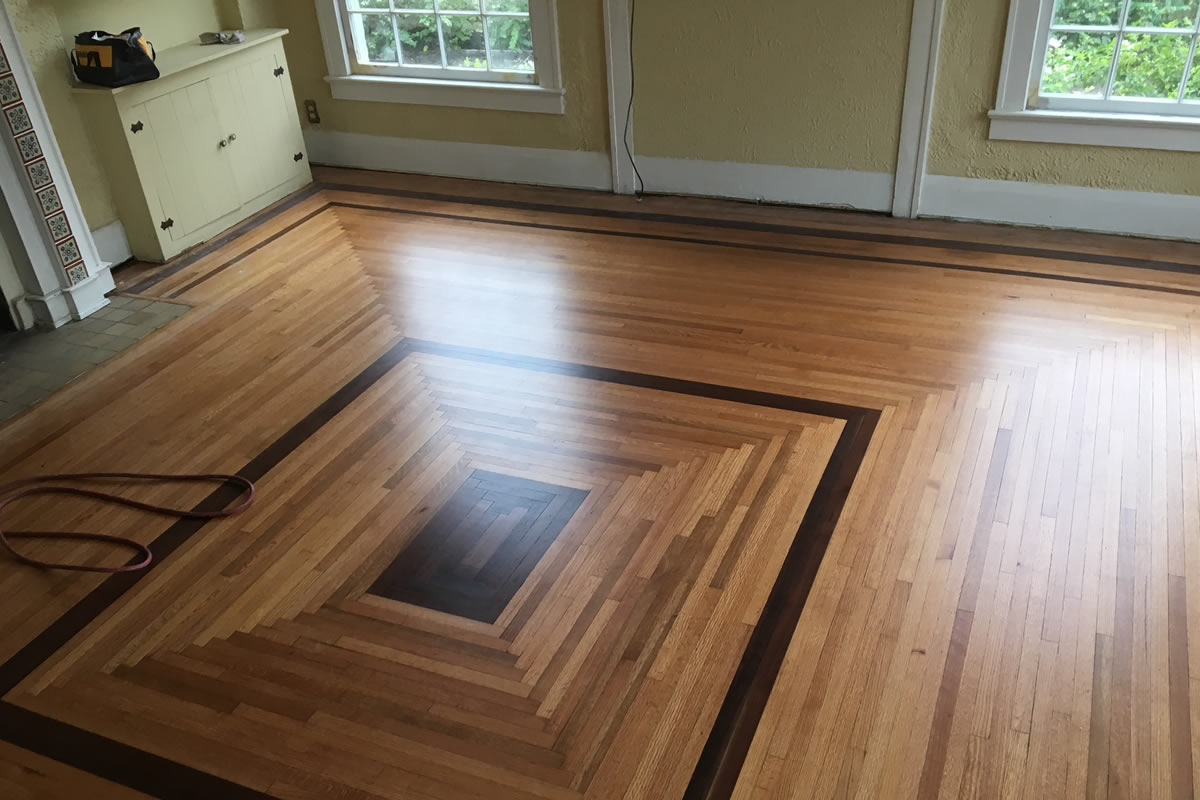 Hardwood floors make a home feel warm, grounded, and finished. However, dirt, water, sunlight, and daily foot traffic can slowly wear down even a durable finish.
With a few steady habits, we can protect the color, sheen, and value of our floors without turning cleaning into a major chore. At Premiere Hardwoods of SWFL, we help homeowners enjoy quality wood flooring and understand when routine care needs professional support.
Key Takeaways
- We remove grit often because it can scratch a hardwood finish.
- We use a dry mop or hard-floor vacuum before reaching for liquid cleaners.
- We wipe spills right away and keep indoor humidity as steady as possible.
- We protect high-traffic areas with breathable mats and furniture pads.
- We call a flooring professional when damage involves moisture, deep wear, or loose boards.
Our Simple Hardwood Floor Maintenance Routine
The best maintenance routine is consistent rather than complicated. Fine dirt and sand collect near doors, under tables, and along baseboards. Each tiny grain can scrape the finish as we walk across it.
The exact care method depends on our floor’s finish and the manufacturer’s instructions. Factory-finished planks, site-finished floors, and oil-finished wood may need different products. Before trying a new cleaner, we check the flooring maker’s recommendations.
How We Clean Hardwood Floors Without Damaging the Finish
For everyday care, we use a soft-bristle broom, dry dust mop, or vacuum made for hard flooring. Grit behaves like sandpaper under shoes and furniture, so dry cleaning is the first line of defense.
We avoid vacuums with a rotating beater bar unless the model has a hard-floor setting that lifts or disables it. Abrasive scrubbers, steam mops, waxy sprays, oil soaps, and harsh chemical cleaners can dull the finish or leave residue behind.
When the floor needs more than dry cleaning, we use a slightly damp microfiber mop and a cleaner labeled for finished hardwood floors. The mop should feel barely moist, not wet. Standing water can slip between boards, reach unfinished edges, and cause swelling or stains.
A clean floor should never look wet after mopping. If water remains on the surface, we use less liquid.
How Often We Should Sweep, Vacuum, and Deep Clean
Most homes benefit from quick sweeping or dust mopping several times a week. We vacuum about once a week, especially around entryways, dining areas, and pet beds.
We damp clean only when needed, such as after muddy weather, food spills, or noticeable buildup. Homes with children, pets, heavy foot traffic, or nearby construction often need more frequent dry cleaning.
Before we use any floor-care product, we read the label and confirm that it matches our floor’s finish. A product that works well on one hardwood floor can cause problems on another.
How We Prevent Scratches, Water Damage, and Fading
Prevention costs far less than refinishing a floor. Small changes in how we enter the house, move furniture, and manage sunlight can keep the surface looking fresh for years.
Protecting Floors From Furniture, Shoes, and Pet Claws
We place felt pads under chair legs, tables, sofas, and other furniture that touches the floor. Then, we check those pads every few months because they collect grit and wear down over time.
When rearranging a room, we lift furniture instead of dragging it. Even a light chair can leave a scratch if a tiny pebble sits beneath its leg.
Entry mats help catch sand, water, and loose debris before they reach the wood. We choose breathable rugs or mats without rubber or vinyl backing, since those materials can trap moisture or discolor some finishes.
High heels, cleats, and gritty shoes can dent or scratch wood, so we leave them at the door whenever possible. Regular pet nail trims also reduce the light marks that often appear along favorite walking paths.
Managing Spills, Humidity, Sunlight, and Room Temperature
We wipe up water, pet accidents, drinks, and dropped ice immediately. A quick wipe with a soft absorbent cloth keeps moisture from sitting long enough to affect the finish or wood.
Wood naturally expands and contracts as indoor humidity changes. Stable conditions help reduce gaps, cupping, and buckling. The National Wood Flooring Association’s wood floor care guidance also stresses the importance of managing moisture around wood flooring.
Coastal Florida homes need extra attention because humid air and wind-driven rain can bring moisture indoors. In these conditions, local advice from Premiere Hardwoods of SWFL can help us address moisture concerns before they become floor damage.
Sunlight can gradually change the color of natural wood. Curtains, blinds, and UV-filtering window treatments reduce direct exposure. We also move rugs and furniture occasionally so one section of the floor doesn’t age much differently than the rest.
When Hardwood Floors Need More Than Routine Cleaning
Routine cleaning handles everyday dust and light surface marks. Still, some issues point to worn finish, water intrusion, or damage below the surface.
What We Can Handle With Small Repairs and Careful Cleaning
Light scuffs may improve after proper cleaning with a finish-safe product. For small scratches, we may use a touch-up product that matches both the wood color and the floor’s finish.
We avoid furniture polish, cooking oils, vinegar mixtures, steel wool, and random online remedies. These products can leave residue, strip protection, or create uneven shine that complicates later refinishing.
Deep scratches, dark stains, peeling finish, and damaged boards need a closer look. Cleaning alone won’t repair wood that has absorbed moisture or lost its protective coating.
Signs It Is Time to Call a Hardwood Flooring Professional
We contact a professional when boards cup, buckle, or develop spreading gaps. Persistent squeaks, soft spots, dark water marks, mold concerns, and areas worn down to bare wood also deserve attention.
A professional can determine whether the floor needs cleaning, recoating, sanding and refinishing, or replacement of individual boards. Recoating refreshes an intact finish, while sanding and refinishing removes the old finish and addresses deeper wear.
When the cause isn’t clear, or when a project involves sanding, moisture, or structural movement, we ask Premiere Hardwoods of SWFL for an assessment.
Final Thoughts
Hardwood floors stay beautiful when we remove grit often, use the right cleaner, wipe spills fast, and protect the surface from furniture and direct sun. Keeping indoor moisture steady also helps the boards remain stable.
Those small habits are easier and less expensive than major repairs. When routine maintenance is no longer enough, Premiere Hardwoods of SWFL can help us make a practical plan for our floors.