
Best Hardwood Flooring for Your Home and Lifestyle
Choosing hardwood flooring can feel overwhelming. You have wood species, finishes, plank widths, and price points to compare, yet the best hardwood flooring depends on how each room is used, its moisture conditions, your style, and the care you can commit to.
At Premier Hardwoods SWFL, we help homeowners weigh solid and engineered wood, installation needs, and long-term costs before they buy. A confident choice starts with the home itself, not a showroom trend.
Key Takeaways
- Solid wood offers deep refinishing potential, while engineered wood handles changing humidity and concrete subfloors more easily.
- Species, color, texture, and sheen affect scratch visibility and daily upkeep.
- Match durability to traffic, pets, sunlight, and each room’s purpose.
- Compare complete installation estimates, not flooring-only prices.
- Proper moisture control and gentle cleaning protect wood floors for years.
Best Hardwood Flooring Options for Different Homes
Wood flooring adds warmth, lasting style, and resale appeal. Many wood floors can also be recoated or refinished when wear builds up, which gives them an advantage over floors that must be replaced after surface damage.
The best hardwood flooring choice usually comes down to construction and site conditions. Premier Hardwoods SWFL can help you compare materials before installation, especially when moisture, concrete, or an uneven subfloor may affect the project.
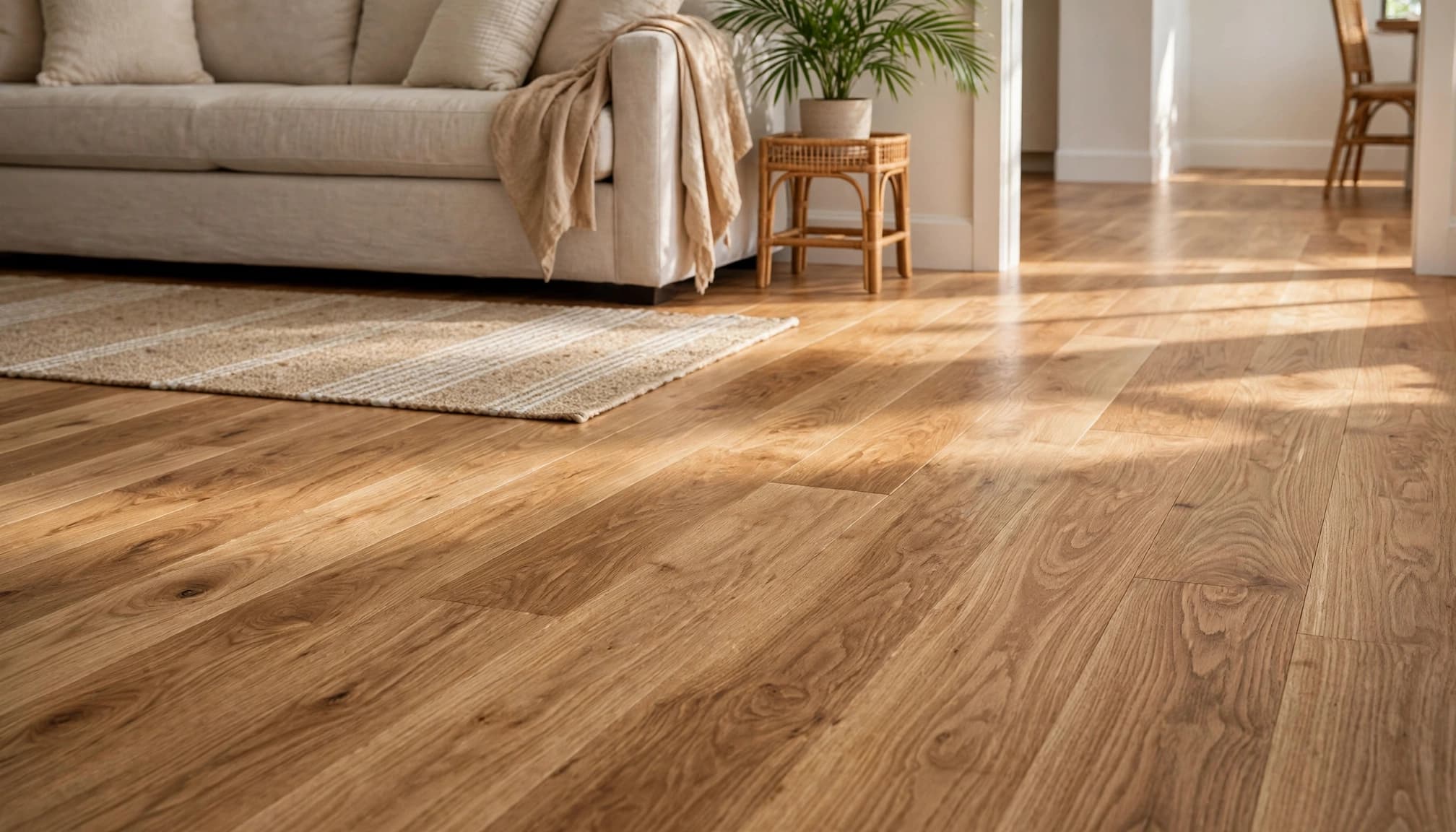
Solid Hardwood Versus Engineered Hardwood
Solid hardwood uses one piece of wood throughout each plank. It can be sanded and refinished more times over its life, so we often recommend it for dry, climate-controlled homes with plywood subfloors.
Engineered hardwood has a real wood wear layer over stable plywood layers. That construction makes it a practical option over concrete slabs or in rooms with changing indoor humidity. Neither choice belongs in areas with standing water, including full bathrooms or laundry rooms without strong moisture control.
Before installation, moisture testing, acclimation, and subfloor preparation matter as much as the product itself. The NWFA Wood Flooring Installation Guidelines outline why those steps should guide the installation plan.
Popular Wood Species, Colors, and Finishes
Oak remains popular because its visible grain works with many home styles. Maple has a smoother, more uniform appearance, while hickory’s active grain can make everyday marks less obvious. Walnut brings rich, darker color, though pale scratches can stand out against it.
Matte finishes, natural tones, wide planks, and wire-brushed textures create a relaxed look and can hide minor wear better than glossy, dark floors. Still, hardness alone doesn’t define quality. The finish, installation method, and daily care all affect how a floor performs.
How to Choose Hardwood Flooring That Fits Your Lifestyle
Start by looking at the room, not the sample board. Entryways, kitchens, hallways, and living rooms see more grit and movement than bedrooms. Also consider pets, children, direct sun, indoor humidity, subfloor condition, and your total budget.
We recommend taking samples home and viewing them in morning light, evening light, and under your usual lamps. At Premier Hardwoods SWFL, we also match flooring to the home’s architecture. A coastal home, traditional home, and modern renovation can all need different visual balance.
Match Flooring Durability to Daily Wear
Busy rooms benefit from practical colors, textured surfaces, and durable finishes. Mid-tone oak or a wire-brushed look may disguise dust and small scratches better than a smooth, high-gloss dark floor.
Furniture pads and entry mats reduce preventable damage. You should also keep grit off the floor because it acts like sandpaper under shoes and pet paws. Every wood floor can suffer from excess water, deep scratches, dents, and harsh cleaning products.
The National Wood Flooring Association offers industry education that reinforces why room conditions should shape material and installation decisions.
Choose Plank Width, Finish, and Color With Care
Narrow planks can suit smaller or traditional rooms, while wider boards create a calmer, more open look. However, wide planks need a stable subfloor and well-managed humidity.
Light floors often make rooms feel brighter, but they can show dark debris. Dark stains can highlight dust and light scratches. Medium tones usually offer a forgiving middle ground. Order samples or view an installed floor before deciding, because sheen changes both the appearance and maintenance needs.
Hardwood Flooring Costs, Installation, and Long-Term Care
A flooring budget should include more than the planks. Underlayment, old-floor removal, subfloor repairs, trim, transitions, delivery, and furniture moving can all affect the final total.
Professional installation begins with checking the subfloor and moisture conditions, then acclimating the material when appropriate. Hurst Hardwoods notes that flooring moisture content is typically between 6% and 9%, although the right target depends on the product and jobsite.
What Affects the Total Project Price
Solid and engineered products have different price ranges. Premium species, custom stains, wide planks, patterned layouts, stairs, and extensive repairs also raise labor and material costs.
Compare complete written estimates rather than flooring-only prices. Ask what preparation, trim, transitions, removal, and cleanup include. It’s also smart to plan for installation waste and keep a few replacement boards when the product is available.
For project-specific planning, our wood flooring installation services can help identify the material and approach that fit your home.
Simple Care That Protects the Finish
Sweep often or vacuum with a floor-safe attachment. Clean spills quickly, use manufacturer-approved products, and maintain steady indoor humidity when possible. Mats at exterior doors also reduce grit before it reaches the finish.
Avoid steam mops and soaking-wet cleaning. When a finish looks dull but the wood remains intact, professional recoating may restore protection. Deep damage, heavy wear, or discoloration may require wood floor refinishing and sanding instead.
Choosing a Floor That Will Keep Working
The best hardwood flooring balances appearance, durability, moisture conditions, installation needs, and total project cost. Samples in your home, a careful subfloor inspection, and honest discussion about daily wear will lead to a better decision.
At Premier Hardwoods SWFL, we help homeowners select and install wood flooring that fits real life, not only a showroom display. Contact us for guidance tailored to your home, rooms, and routine.